



Overview
Polishing biologically treated effluent to reuse-grade water
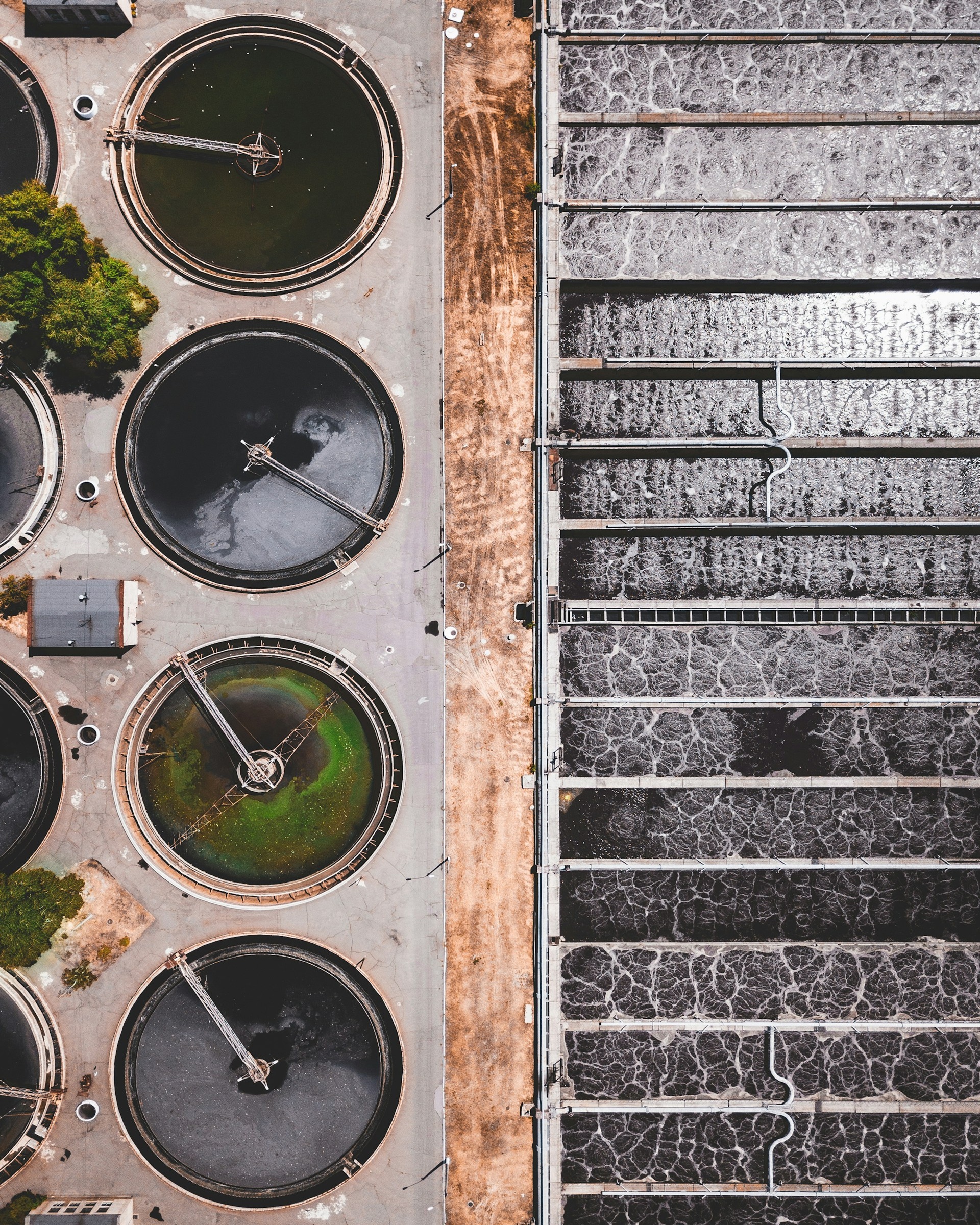
A Tertiary Treatment Plant (TTP) is a membrane-based polishing system that takes biologically treated effluent — from an ETP, STP or CETP — and recovers reuse-grade water suitable for cooling towers, boiler feed, process water, horticulture or environmental discharge to tighter norms. The standard SRPEPL TTP architecture is UF followed by single- or two-pass RO, with pre-treatment selected against the specific feed matrix.
SRPEPL has delivered TTP systems from 50 KLD packaged skids to 300 m³/hr (7.2 MLD) EPC-scope plants for supercritical thermal power stations. Current executed and under-execution capacity spans industrial, thermal power and municipal reuse applications across India — including a ₹50 Cr TTP + ZLD contract for a 660 MW × 2 supercritical power plant currently under execution.
Regulatory & Commercial Drivers
What is a TTP, and when is one required?
Tertiary treatment — also called advanced treatment or polishing — is the third stage of wastewater treatment, applied after primary (physical) and secondary (biological) treatment. It removes residual suspended solids, dissolved salts, colour, pathogens and specific contaminants that secondary treatment cannot reduce to reuse or discharge standards.
TTP is required when the end-use demands water quality beyond what a conventional biological treatment plant produces — most commonly for cooling-tower makeup, boiler-feed demineralisation, process-water recycling, or compliance with tightened discharge norms.
Treatment Architecture
The SRPEPL TTP treatment train
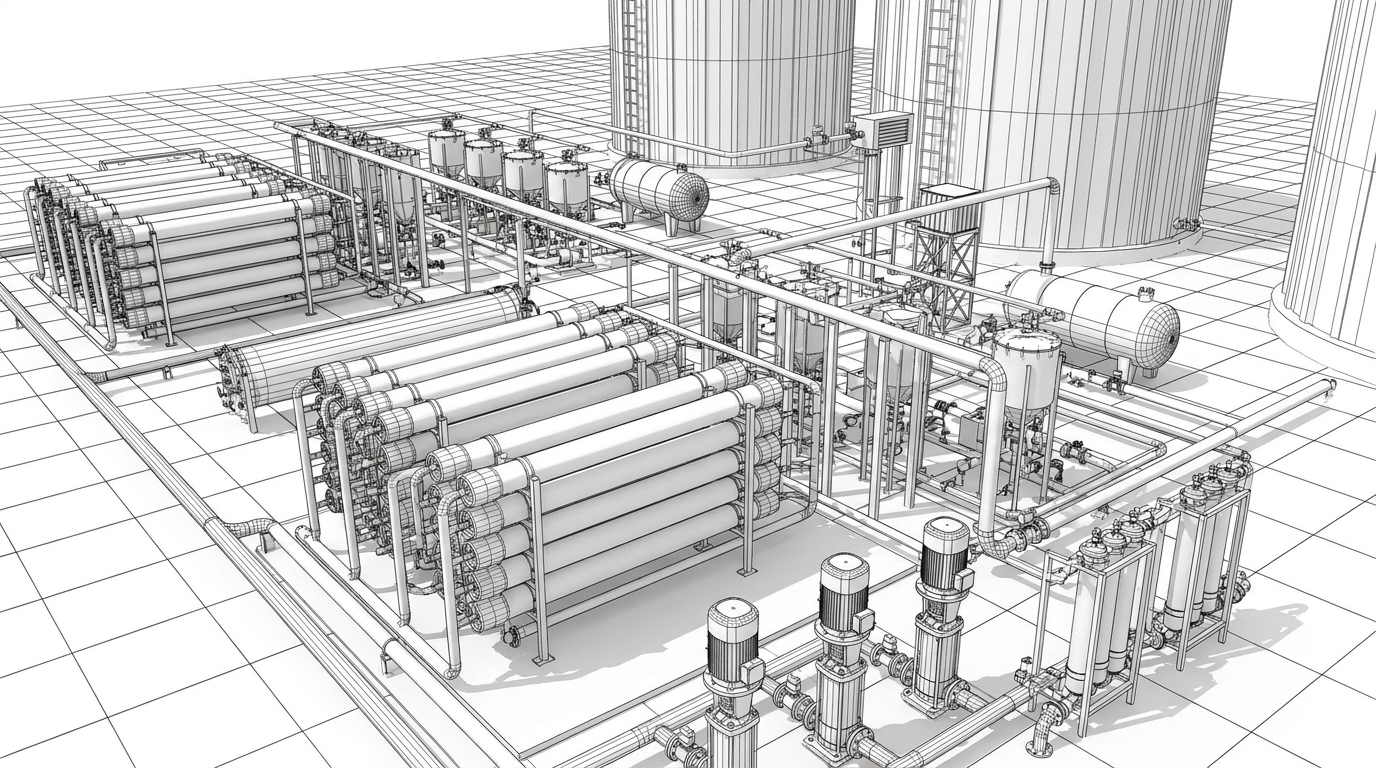
An SRPEPL TTP follows a modular treatment train — pre-treatment to protect the membranes, UF to remove suspended solids and turbidity, RO to remove dissolved salts, and optional post-treatment for specific end-uses. Configuration varies with feed quality and target product specification.
Pre-treatment selection — depends on feed chemistry
Engineering Basis
Key design parameters for a tertiary treatment plant
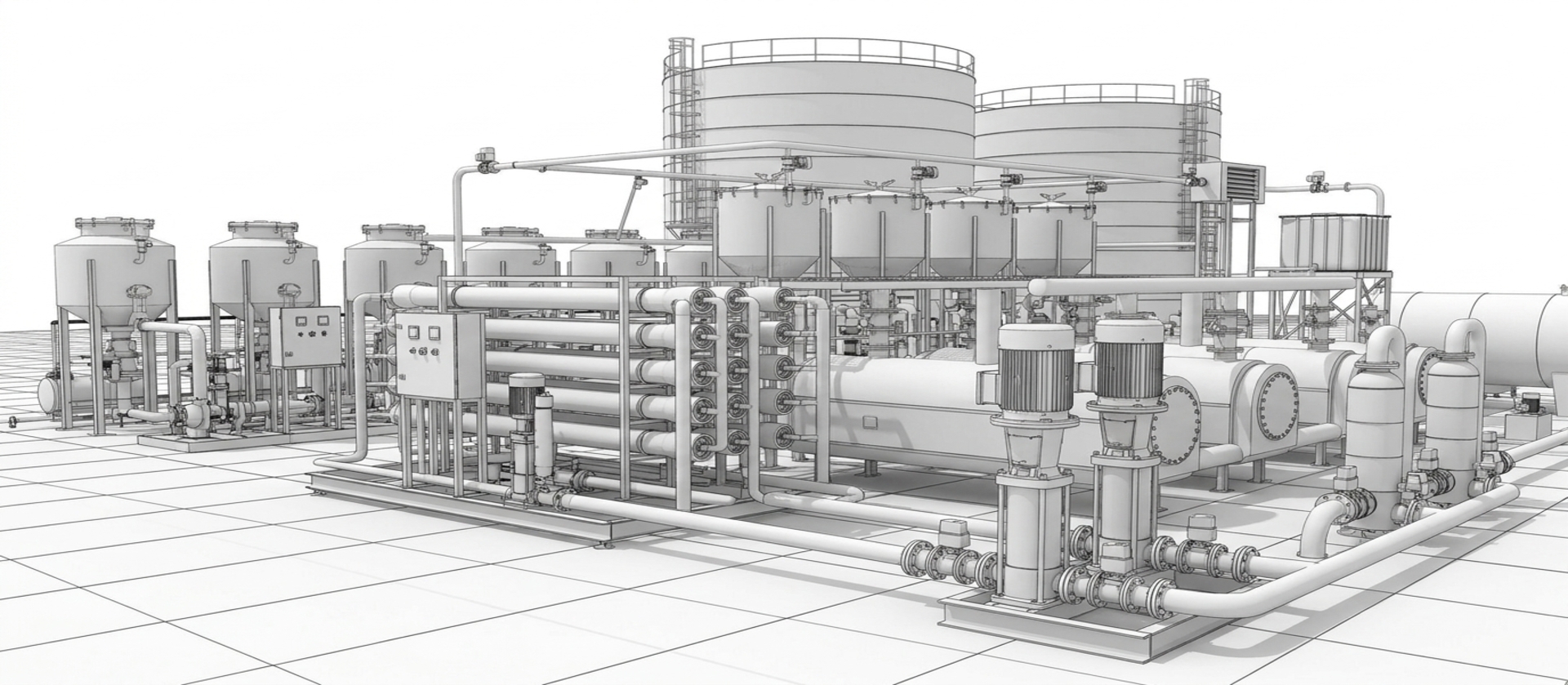
TTP design is driven by the feed water quality from the upstream biological system, the target product quality for the intended end-use, the recovery target, and site-specific constraints on space, power and chemical availability. SRPEPL's design team prepares site-specific parameter sheets as part of RFQ response.
| Parameter | Typical range | What drives it |
|---|---|---|
| Feed TDS | 500–5,000 mg/L | Upstream ETP/STP quality, process water recycling loops |
| Feed TSS (UF inlet) | <50 mg/L (post pre-treatment) | Pre-treatment effectiveness; UF tolerates higher but membrane life shortens |
| UF permeate SDI | <3 (target) | Critical for RO protection — SDI >5 causes rapid RO fouling |
| UF flux | 40–80 LMH | Feed quality, temperature, cleaning frequency; derate 15–25% for industrial vs municipal |
| RO feed TDS | 300–4,000 mg/L | Determines RO pressure, recovery and antiscalant regime |
| RO recovery (1st pass) | 70–80% | Feed TDS, silica, scaling indices (LSI / S&DSI), antiscalant |
| RO permeate TDS | 10–200 mg/L | Single-pass = 50–200 mg/L · Two-pass = <10 mg/L · MB polish = <1 mg/L |
| Specific energy | 0.8–2.5 kWh/m³ permeate | Feed TDS, recovery, pump efficiency, ERD if fitted |
Where TTP Is Applied
Three application corridors
A TTP sits between the biological treatment system and the point of reuse or discharge. The treatment architecture and product water target vary by corridor — but the membrane stages are common to all three.
ZLD Integration
Where TTP fits in a ZLD train
In most Indian ZLD trains, the TTP is the critical front-end stage. TTP quality directly determines ZLD economics — RO recovery, concentrate TDS, MEE steam consumption and crystalliser sizing all cascade from TTP design decisions.
Project References
SRPEPL's TTP project experience
TTP scope has been executed as standalone EPC contracts and as integrated stages within larger ZLD and water-recycling trains — spanning thermal power, heavy industry and municipal reuse applications.
660 MW × 2 Supercritical Power Plant — TTP + ZLD, 300 m³/hr
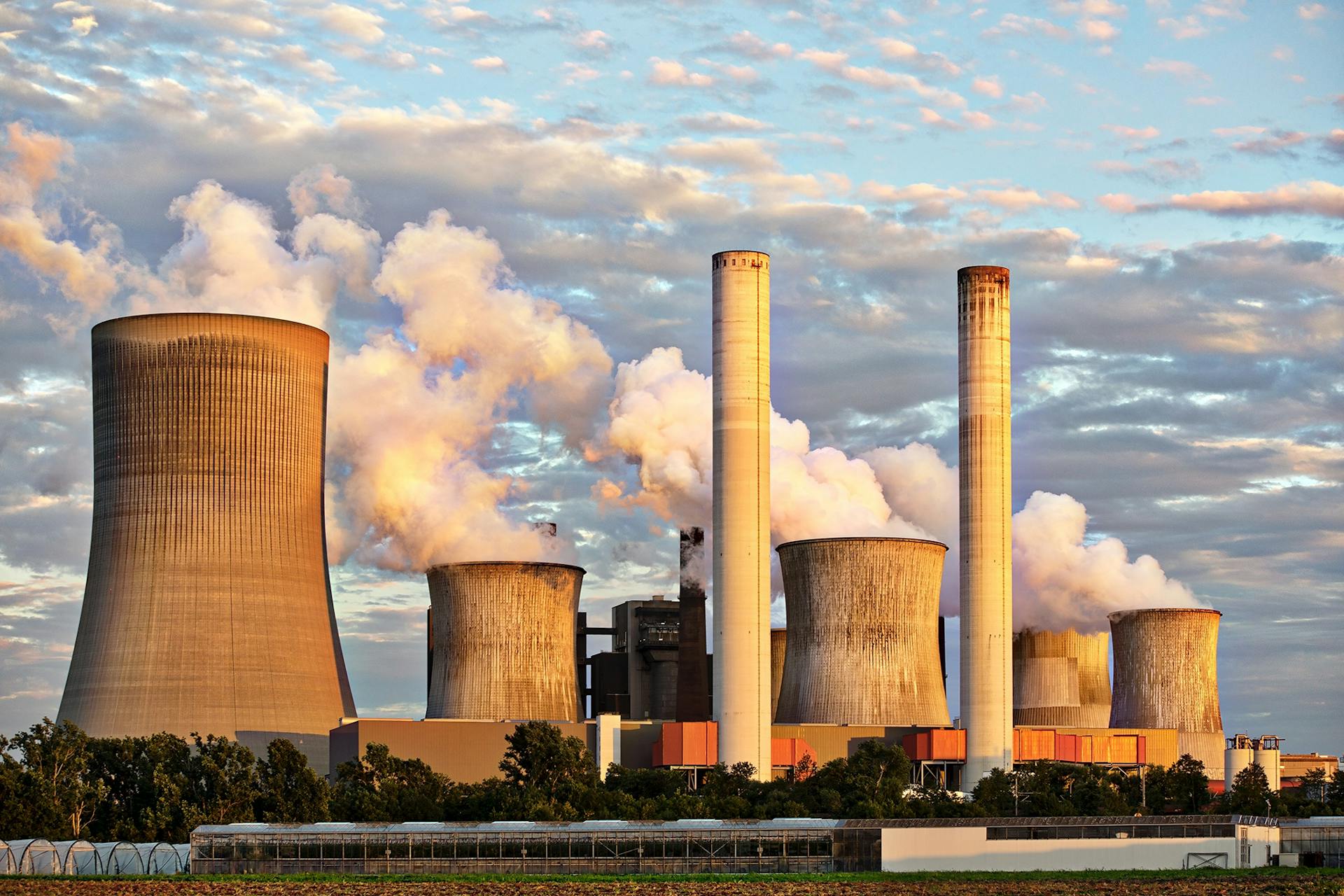
Target: recover >85% as reuse-grade water. Designed to meet CEA specific water consumption norms for supercritical units. This is SRPEPL's anchor TTP reference — a standalone TTP-scope EPC contract, not a sub-scope item.
View case study →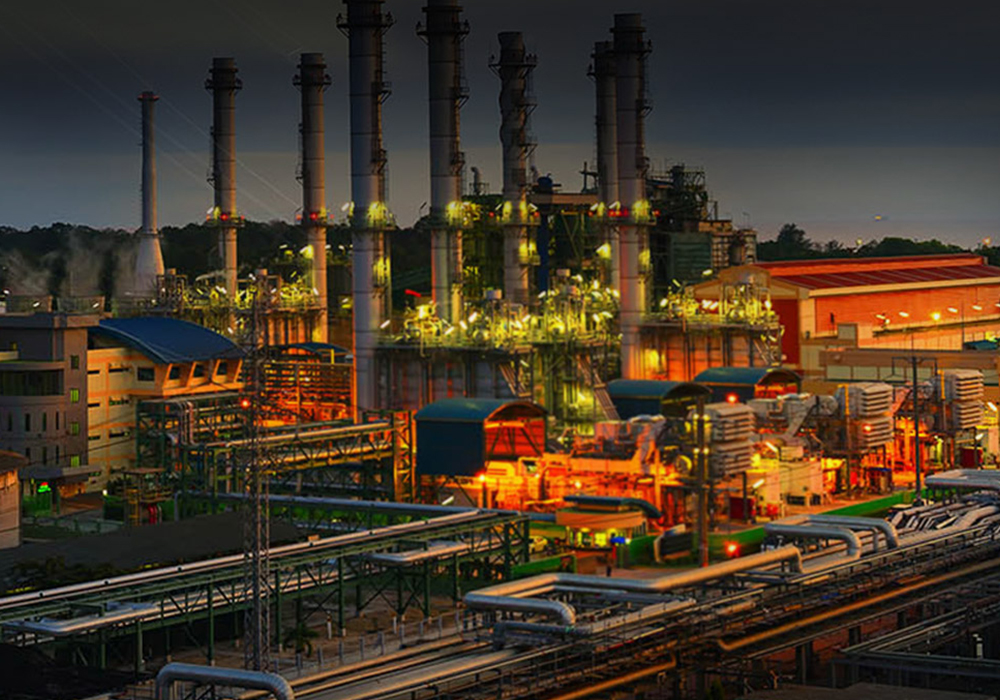
SAIL Bokaro Steel Plant — ZLD System with UF+RO Front End
The UF + RO front end of the SAIL Bokaro ZLD is functionally a tertiary treatment plant — taking steel-plant effluent and producing RO permeate for reuse while concentrating reject for ZLD evaporation. Delivered 70–80% recovery on a high-hardness, high-silica steel-plant effluent.
View case study →Contract Scope
What is included in an SRPEPL TTP EPC scope?
SRPEPL delivers TTPs as turnkey EPC contracts — from process design through commissioning and performance guarantee testing. Civil works and storage tanks are included or excluded depending on contract structure, clarified at BOQ stage.
Available contract models
Differentiators
Why choose SR Paryavaran Engineers for a TTP?
SRPEPL's TTP capability is built on three things: in-house membrane supply, 35 years of EPC execution discipline across PSU and industrial contracts, and a live 300 m³/hr thermal-power TTP under execution that validates the architecture at scale.
Frequently Asked Questions
Tertiary treatment plants — common questions
A tertiary treatment plant (TTP) is a membrane-based polishing system that takes biologically treated effluent — from an ETP, STP or CETP — and removes residual dissolved salts, suspended solids, colour and pathogens to produce reuse-grade water. The standard architecture is UF followed by single- or two-pass RO, with pre-treatment selected against the specific feed chemistry. TTP is the third stage of wastewater treatment, applied after primary (physical) and secondary (biological) treatment.
TTP is required when the end-use demands water quality beyond what a biological treatment plant produces. The most common triggers are: cooling-tower makeup for thermal power or industrial plants (CEA norms on fresh-water intake reduction), boiler-feed demineralisation, process-water recycling to displace fresh-water purchase, ZLD pre-conditioning where TTP produces the membrane-ready feed for downstream evaporation, and compliance with tightened discharge norms (CPCB 2017 standards for select industries require treated effluent below 100 mg/L TDS).
In common usage the terms overlap, but they are not identical. Tertiary treatment refers to the third stage of wastewater treatment — after primary and secondary — and typically involves membrane-based processes (UF + RO) that significantly reduce TDS. Polishing treatment is a broader term that can refer to any final clean-up step, including sand filtration, activated carbon, UV disinfection or softening, without necessarily involving membranes or TDS reduction. A TTP that includes UF + RO is always a polishing step, but not every polishing step qualifies as tertiary treatment.
A standard SRPEPL TTP train follows four stages: pre-treatment (lime-soda HRSCC softening, activated carbon, cartridge filtration or antiscalant dosing — selected per feed chemistry), ultrafiltration (UF) to remove suspended solids and achieve SDI <3, reverse osmosis (RO) in single- or two-pass configuration depending on target product quality, and optional post-treatment (degassing, mixed-bed polishing, UV disinfection) for specific end-uses. Pre-treatment selection is critical — it determines UF and RO membrane life and cleaning frequency.
RO recovery in a TTP typically ranges from 70% to 80% on the first pass, depending on feed TDS, silica concentration, temperature and scaling indices (LSI, S&DSI). For feeds below 2,000 mg/L TDS with moderate hardness, 75–80% is achievable with standard antiscalant dosing. For higher-TDS or high-silica feeds (common in thermal power cooling-tower blowdown), recovery may be limited to 65–70% unless a high-recovery second stage or UHP system is added. The concentrate stream — typically 20–30% of the feed volume — is routed to ZLD, recycled or discharged per consent conditions.
Specific energy consumption for a UF + RO TTP is typically 0.8–2.5 kWh per cubic metre of permeate produced. The lower end applies to low-TDS municipal sewage feeds (<1,000 mg/L) with single-pass RO; the upper end applies to higher-TDS industrial or blowdown feeds requiring two-pass RO and higher operating pressures. Pre-treatment energy (HRSCC mixers, ACF backwash pumps) adds 0.1–0.3 kWh/m³. These figures exclude raw-water intake pumping and treated-water distribution, which are site-specific.
Yes — and in most Indian ZLD trains, the TTP is the critical front-end stage. The UF + RO permeate from the TTP is the recovered reuse water (70–80% of feed volume), while the RO concentrate is the feed to the evaporation stage (MEE, MVR or forced-circulation evaporator). TTP design directly determines ZLD economics: higher RO recovery means less concentrate to evaporate, which reduces MEE steam consumption and crystalliser sizing. SRPEPL delivers integrated TTP + ZLD systems under single EPC contracts — the SAIL Bokaro ZLD (₹35.69 Cr, commissioned) and the 660 MW × 2 supercritical TTP + ZLD (₹50 Cr, under execution) are both examples of this integrated delivery.
Yes. SRP Membranes — SRPEPL's manufacturing arm — produces spiral-wound brackish-water RO elements (SRP BW series), high-pressure RO elements (SRP HP series) and ultrafiltration modules at two facilities in Panchkula (Haryana) and Baddi (Himachal Pradesh). These elements are used in SRPEPL's own EPC projects, including TTP systems. In-house membrane supply gives SRPEPL control over membrane specification, replacement lead times and post-commissioning technical support — all under one engineering team. For full product specifications, visit srpmembranes.com.
SRPEPL delivers TTPs under multiple contract structures: turnkey EPC (lump-sum, item-rate or hybrid), Design-Build-Operate (DBO) with 5–10-year O&M terms, BOOT/annuity where SRPEPL retains ownership and charges per kilolitre, and retrofit/upgradation of existing TTPs for capacity enhancement or technology upgrade. The contract model is selected based on the buyer's procurement framework — PSU tenders typically specify EPC or DBO; private industrial buyers may prefer BOOT for off-balance-sheet treatment.
Share your TTP requirement
If you have a tertiary treatment or water-reuse requirement — for a thermal power plant, industrial site, municipal reuse scheme or ZLD front end — share the brief with our engineering team. We review feed data, map the treatment train and outline a scope before commercial discussions begin.
Related Solutions