



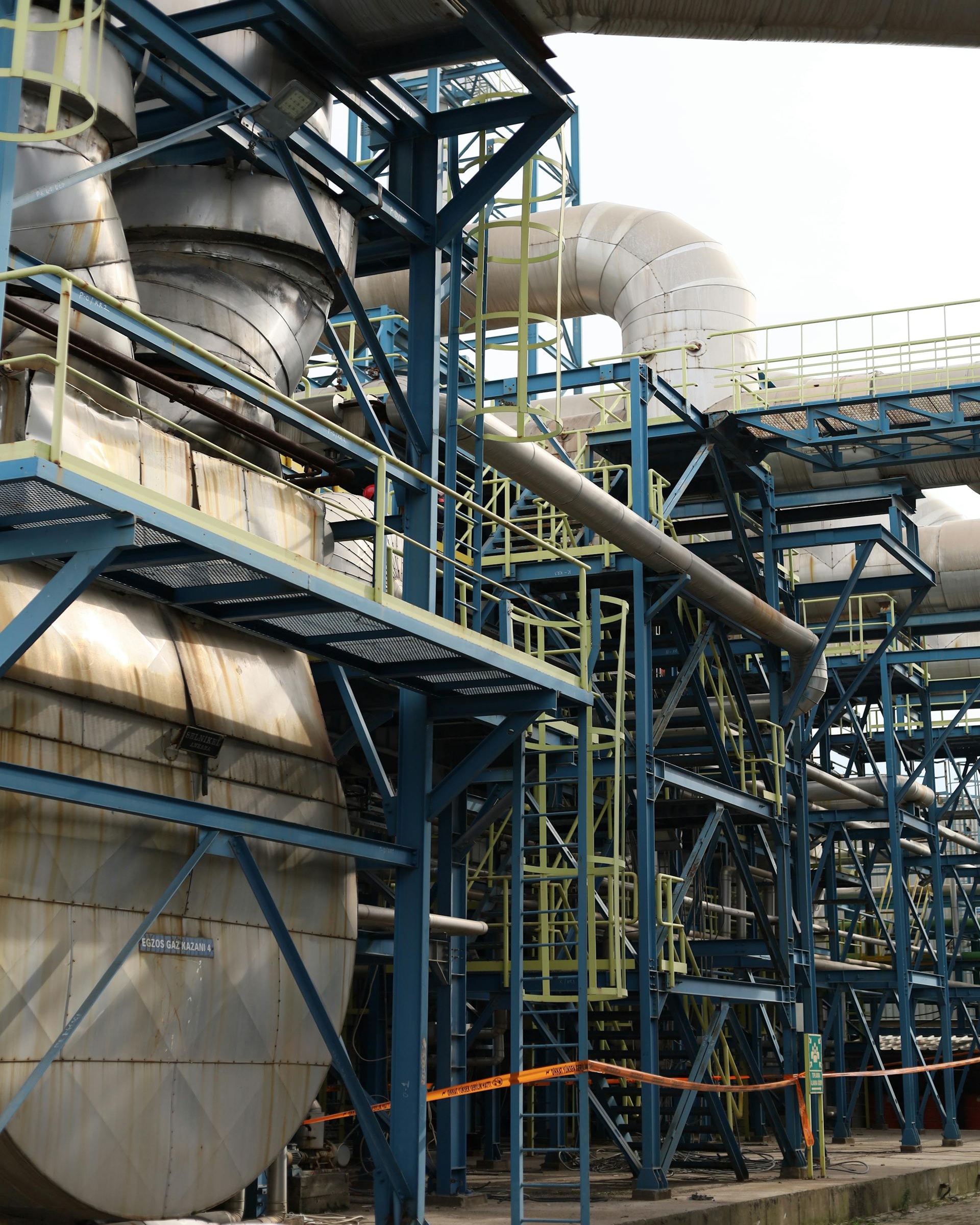
What water and wastewater systems does a refinery need?
A refinery operates a closed water cycle with several distinct treatment duties, each with its own feed chemistry and discharge constraint. The binding constraints are regulatory and hydraulic — CPCB effluent discharge norms and CEA water-use norms cap fresh-water intake per tonne of crude processed and tighten the quality of any stream leaving the battery limits. Refinery effluent carries high COD, dissolved hydrocarbons, sulphides, phenols, ammoniacal nitrogen and elevated TDS — a combination that defeats single-stage treatment.
How SRPEPL treats refinery effluent streams
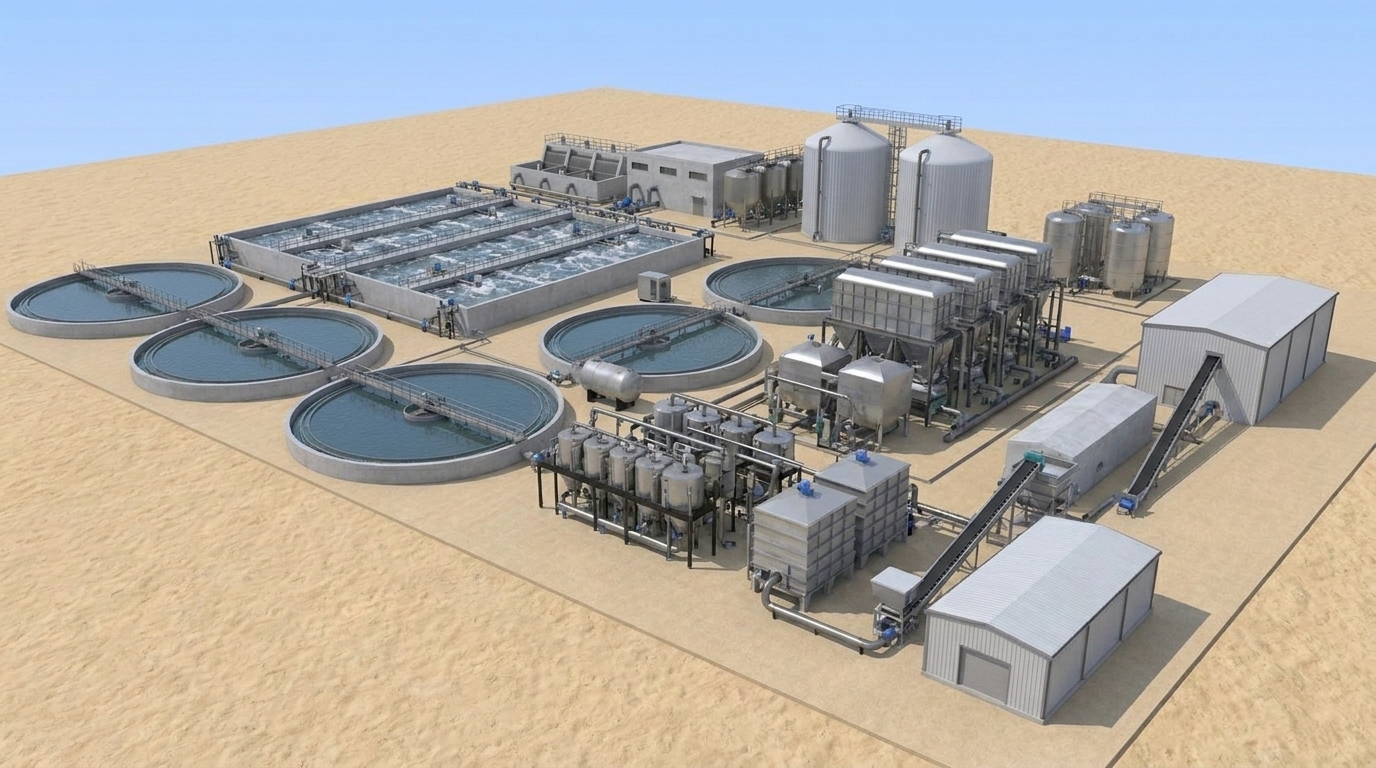
SRPEPL designs each refinery treatment train against the actual feed stream rather than applying a standard configuration. Refinery wastewater is not one effluent — it is several, and each is treated to its own endpoint before streams are combined or recycled.
Ultra-High-Pressure RO — above the standard envelope
Membranes in service at Indian refineries
Refinery feed — high-TDS, high-fouling, chemically aggressive, hydrocarbon-bearing — is among the hardest membrane duty in the country. Repeat replacement orders into live refinery plants are the strongest authority signal: the membranes are specified, run, and re-ordered against real refinery streams.
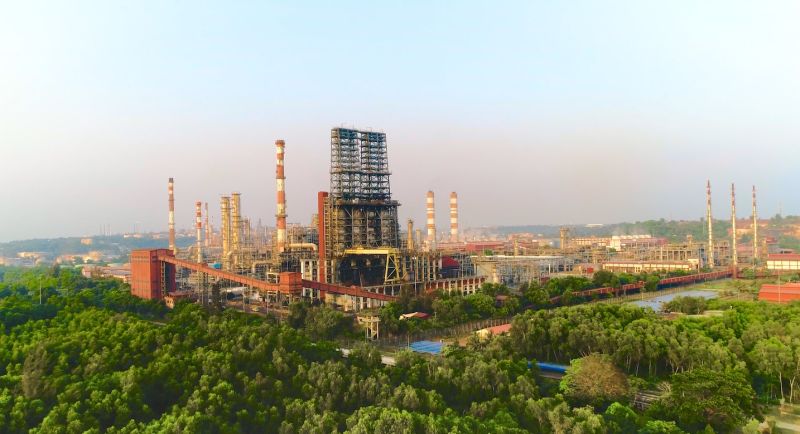 MRPL refinery photo
Repeat orders
MRPL refinery photo
Repeat orders
| Scope | AEROFLO MBR flat-sheet replacement + BW RO 8040 supply |
| Plant | 16 MLD ETP — multi-basin MBR installation |
| Stream | Refinery process effluent — oily, high-TDS, chemically aggressive |
| Status | Regular replacement-order rotation |
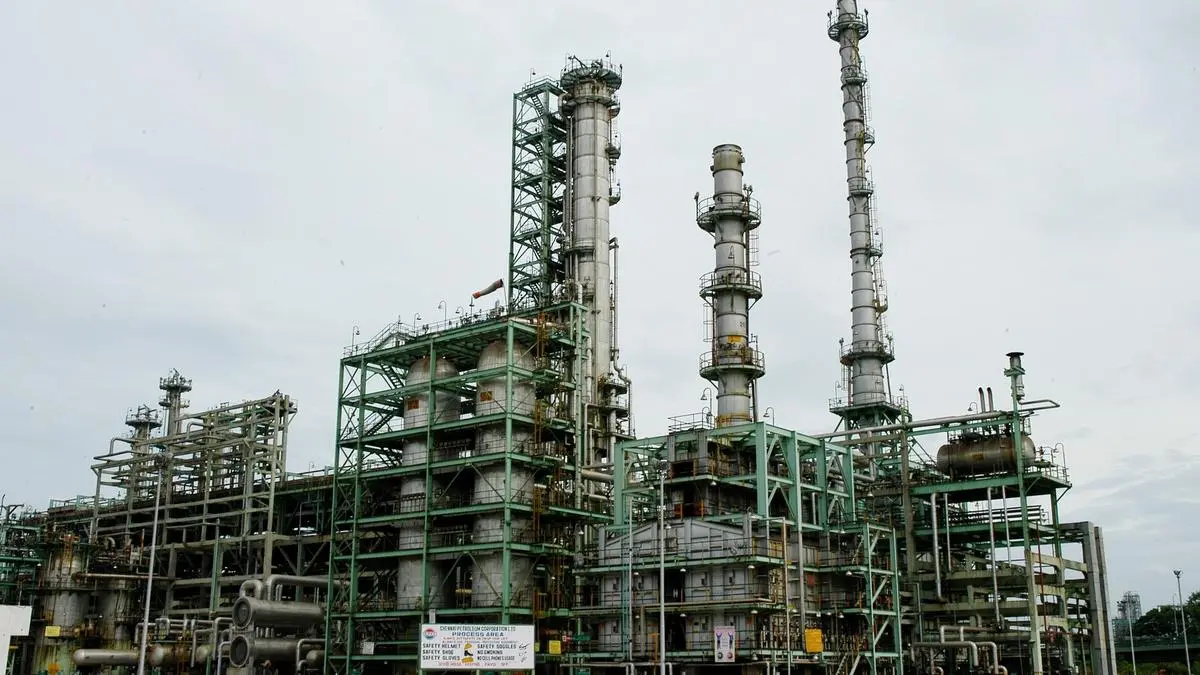 CPCL refinery photo
1,148 elements
CPCL refinery photo
1,148 elements
| Scope | 1,148 nos. seawater RO elements supplied |
| Product | SRP SW 8040 — high salt-rejection SWRO |
| Application | Seawater RO for refinery process water |
| Status | Supplied and commissioned |
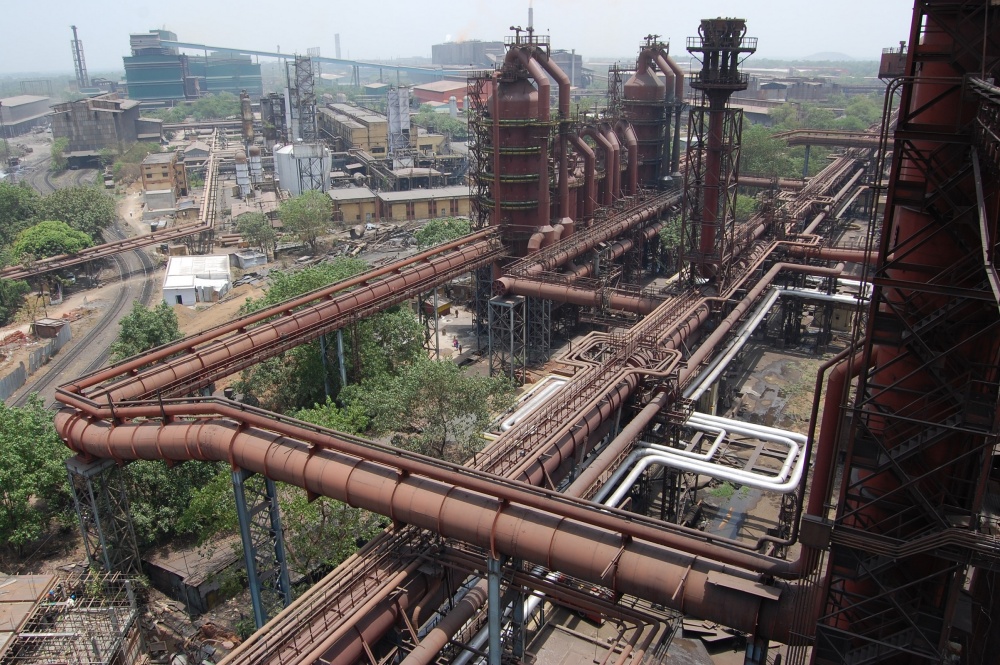 ZLD plant photo
Operational
ZLD plant photo
Operational
| Capacity | 2×110 m³/hr (~2.64 MLD) |
| Train | UF + RO + MVR + MEE + ATFD |
| Status | Commissioned & operational under O&M |
| Note | Anchor ZLD reference — heavy industrial, process comparable to refinery ZLD |
Why refineries choose SRPEPL
Refineries select SRPEPL where the membrane train is the critical technical decision and where the effluent sits outside standard treatment envelopes. Three things distinguish the work.
SRP Membranes — manufactured in India for refinery duty
SRPEPL manufactures flat-sheet MBR, spiral-wound RO, UF modules and UHP membrane elements at two facilities in India under the SRP Membranes brand. These elements are used in SRPEPL's own refinery projects and supplied directly to third-party EPC contractors and overseas buyers.
How a refinery can engage SRPEPL
Oil & gas projects in GCC, Africa and Southeast Asia
Frequently asked questions
SRPEPL delivers the full refinery water cycle: raw-water pre-treatment, demineralised (DM) and ultrapure water for boilers, cooling-tower make-up and blowdown recovery, oily-water and process effluent treatment (ETP), tertiary treatment and recycle, and Zero Liquid Discharge (ZLD). Systems are membrane-based, using SRPEPL's own MBR, RO, UF and Ultra-High-Pressure (UHP) membrane elements, with pressure vessels and skids fabricated in-house in stainless steel, duplex and exotic alloys.
Yes. SRPEPL's membrane elements are in regular replacement-order rotation at Indian refineries including Mangalore Refinery and Petrochemicals Ltd. (MRPL) and Chennai Petroleum Corporation Ltd. (CPCL). Refinery duty — high-TDS, high-fouling, chemically aggressive, hydrocarbon-bearing feed — is among the most demanding membrane service in the country, and repeat replacement orders into these plants are a direct measure of field performance.
Refinery effluent is treated stream by stream. Oily water passes through API or CPI oil-water separation, dissolved air flotation and biological treatment, then membrane bioreactor (MBR) or membrane polishing. Treated effluent and cooling-tower blowdown are recovered through ultrafiltration and reverse osmosis, returning permeate to cooling or process make-up. Where the RO reject is too saline for standard RO, Ultra-High-Pressure (UHP) RO concentrates the brine before thermal treatment.
Ultra-High-Pressure (UHP) RO is reverse osmosis designed to operate above the ~80 bar pressure envelope of standard brackish-water and seawater RO. Refineries need it where the reject stream — from cooling blowdown recovery or ZLD — is too concentrated for standard RO to recover water economically. UHP RO concentrates the brine on the membrane side, reducing the volume sent to evaporation and crystallisation and cutting the thermal energy that dominates ZLD operating cost.
Yes. SRPEPL designs membrane-led ZLD trains that maximise water recovery on the membrane side (UF, RO, UHP RO) before handing a minimised brine volume to multi-effect evaporation and crystallisation. Minimising brine before the thermal stage reduces the energy load that dominates ZLD operating cost. SRPEPL has delivered multiple ZLD systems, including an anchor membrane-plus-evaporation ZLD for the integrated steel sector at SAIL Bokaro.
Refinery water systems are governed primarily by CPCB effluent discharge norms for the petroleum sector and CEA water-use norms that cap fresh-water intake per tonne of crude processed. Treated effluent destined for recycle must meet the quality required by its receiving duty (cooling, process or boiler feed). SRPEPL's design practice is anchored to CPCB norms and the relevant sector notifications, with ISO 9001:2015, 14001:2015 and 45001:2018 certification supporting tender-driven procurement.
Yes. SRPEPL manufactures flat-sheet MBR elements (AEROFLO MBR line), spiral-wound brackish-water RO (SRP BW series), high-pressure seawater RO (SRP HP series), UHP membrane elements for high-TDS and reject-polishing duty, and ultrafiltration modules at two facilities in India under the SRP Membranes brand. These elements are used in SRPEPL's own refinery projects and supplied directly to third-party EPC contractors and overseas buyers through srpmembranes.com.
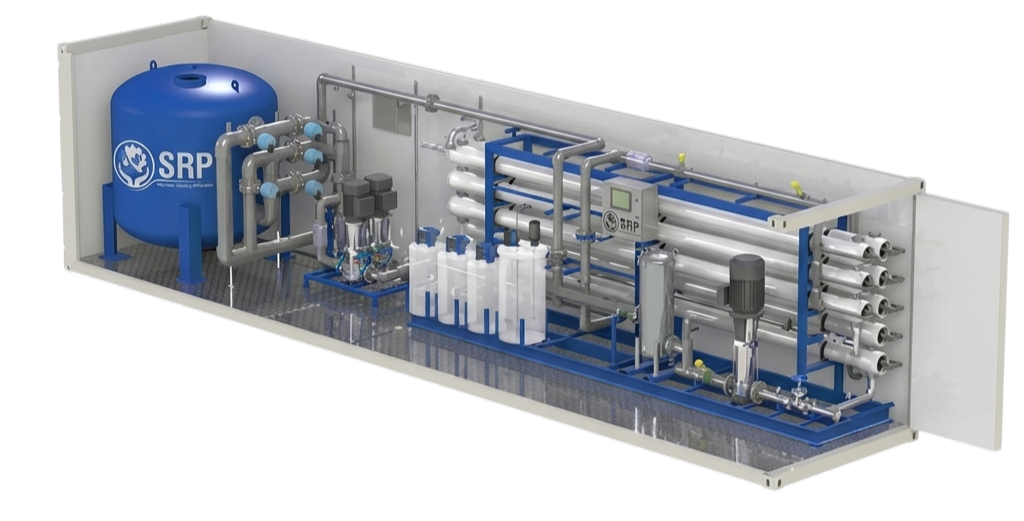
Yes. Through its international office in the Jebel Ali Free Zone, Dubai, SRPEPL supplies containerised and skid-mounted treatment systems and membrane elements to oil & gas and industrial clients across the GCC, Africa and Southeast Asia. Packaged membrane systems suit remote and modular oil & gas sites where factory-built, transportable plants are preferred over site-constructed civil works.
Related solutions & pages
Discuss your refinery water or effluent project
For a refinery or oil & gas water, recycle or ZLD enquiry, share your stream profile and we'll map a treatment train against it.
Export / GCC: crm@srpepl.com · Jebel Ali Free Zone, Dubai