

Hello There!

Lorem ipsum dolor sit amet, consectetur adipiscing elit,

Follow Us

Textile Wastewater Treatment & ZLD — SR Paryavaran Engineers
Textile wastewater treatment plant

Industry

Water and wastewater treatment for the textile industry.

Effluent treatment, colour removal, water recycling and Zero Liquid Discharge for dyeing, processing and apparel plants — engineered against your actual effluent, not a standard template.

35+
Years in water & wastewater treatment
6,000+
Systems delivered across India
70–90%
Water recovery in recycling trains
In-house
MBR, UF, RO & UHP membranes manufactured
ZLD-ready
Membrane + thermal salt recovery
Talk to our engineering team → See ZLD solution →

Industry Overview

One engineering team across the full textile water problem

SR Paryavaran Engineers designs, builds, commissions and operates water and wastewater treatment systems for the textile industry — covering dyeing houses, processing units, composite mills, denim and apparel plants, and shared CETPs serving textile clusters.

Textile effluent is among the hardest industrial streams to treat: high and variable colour, COD typically 800–2,500 mg/L, TDS often above 6,000 mg/L from salt-heavy reactive dyeing, fluctuating pH, and surfactants and sizing agents that foul conventional systems. SRPEPL treats these streams with membrane-based recovery and, where mandated, full Zero Liquid Discharge — drawing on 35+ years, 6,000+ delivered systems, and in-house manufacture of the MBR, UF, RO and Ultra-High-Pressure membranes the treatment train depends on.
800–2,500
Typical textile COD (mg/L)
6,000+
TDS (mg/L) in reactive dyeing streams
70–90%
Water recovery achievable with membranes
ZLD
Mandated for clusters in water-stressed zones
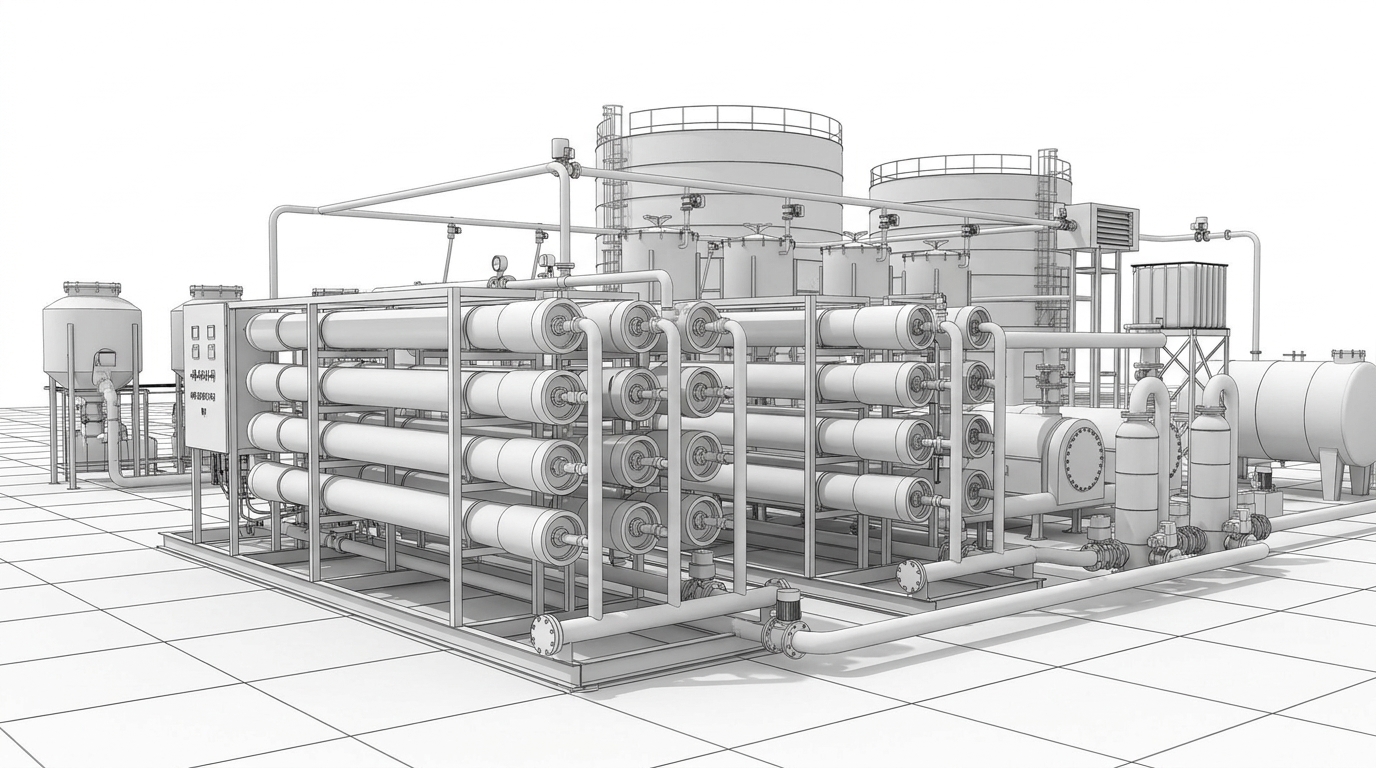
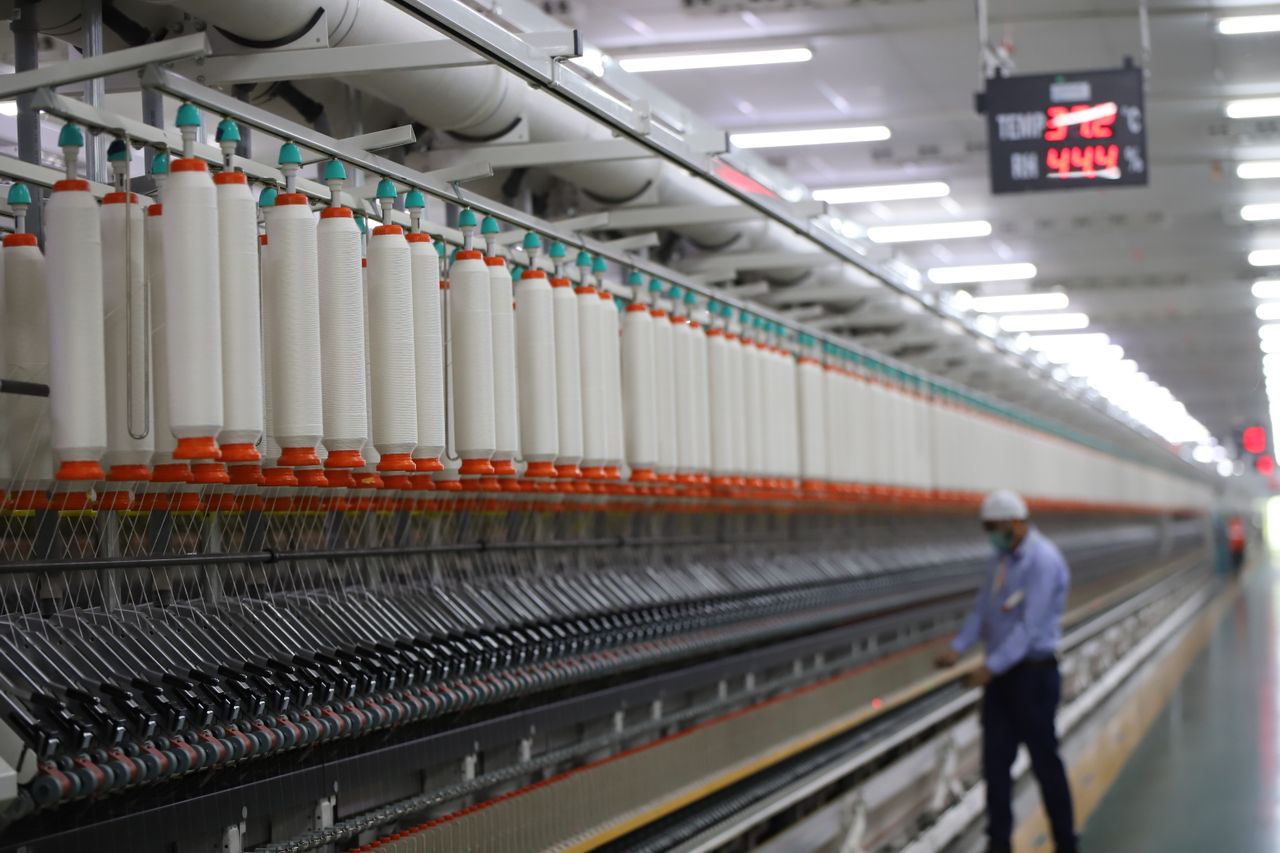
MBR textile treatment plant / ETP in operation

The Challenge

What makes textile dyeing effluent difficult to treat?

Textile effluent is difficult because it combines high colour, high dissolved salt, variable organic load and chemical additives in a single stream that changes batch to batch. Each failure mode has to be designed for upfront — which is why feed characterisation, not equipment selection, comes first.
Colour — biologically persistent
Reactive and direct dyes leave intense colour that conventional biological treatment cannot remove. Requires oxidation, adsorption or membrane separation.
High TDS — salt-heavy reactive dyeing
Salt from reactive dyeing pushes TDS past the range where standard biological systems or simple filtration can achieve recyclable water. RO is non-optional.
Batch variability — pH 6–11 swings
Fluctuating pH and load between dye lots demand robust equalisation and neutralisation before any downstream stage sees the stream.
Surfactants & sizing agents
Sizing agents, surfactants, softeners and bleaching residues add COD and foul membranes if pre-treatment is wrong — requiring proper primary removal first.
textile dyeing effluent / coloured wastewater
ParameterTypical rangeTreatment implication
ColourHigh — reactive/direct dyesRequires oxidation, adsorption or membrane separation; biology alone fails
COD800–2,500 mg/LBiological + tertiary polishing
BOD250–800 mg/LBiological treatment (MBR/ASP)
TDS3,000–8,000+ mg/LRO for recycling; UHP/ZLD where mandated
pH6–11, fluctuatingEqualisation + neutralisation
Surfactants / oil & greaseVariableScreening, oil removal, DAF where needed
Ranges are industry-typical textile-processing values. SRPEPL designs every plant against a measured influent analysis — not these typical ranges.

Treatment Architecture

How SR Paryavaran Engineers treats textile wastewater

A staged train matched to the discharge or recycling target — pre-treatment and equalisation to absorb batch variability, biological treatment to remove organic load, colour removal, and membrane recovery. Because SRPEPL manufactures its own membranes and fabricates the pressure vessels that house them, the recovery stages are specified and built in-house.
Stage 01
Screening + Equalisation
TSS · Flow shock
Stage 02
Neutralisation / pH correction
pH 6–11 swing
Stage 03
Primary / DAF
O&G · TSS · Sizing
Stage 04
Biological — MBR
COD · BOD
Stage 05
Colour Removal
Dye chromophores · Residual COD
Stage 06
UF → RO Recovery
TDS · Salts → Recyclable permeate
Stage 07 — ZLD
UHP RO → MEE/ATFD
Brine → Solid salt
ZLD only
Permeate (70–90%) → Process reuse: dyeing, washing, utilities
Reject → UHP RO → MEE/ATFD → Solid salt (ZLD route)
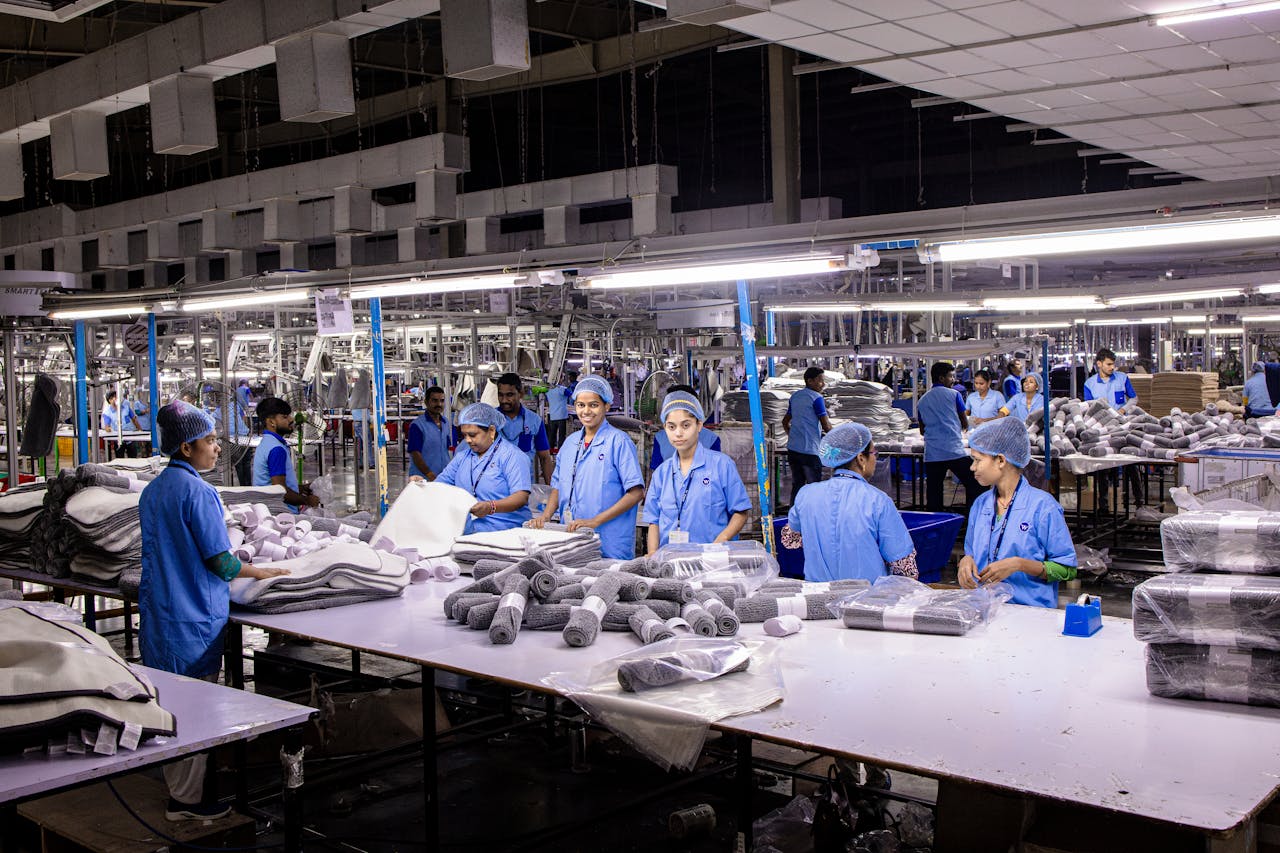
MBR textile treatment plant / ETP in operation

Stage detail — for reference

Colour removal
Chemical oxidation, adsorption (activated carbon), or membrane separation — method depends on dye type and concentration established by effluent characterisation.
MBR advantage
MBR (Membrane Bioreactor) combines biological treatment with membrane separation — smaller footprint, higher MLSS, and RO-ready permeate with low SDI for the downstream recovery stage.
UHP RO for salt-heavy streams
Standard RO recovery is limited by TDS and scaling. Ultra-High-Pressure RO extends recovery beyond the standard RO envelope before any thermal stage — reducing MEE duty and OPEX.

Compliance Driver

ZLD for textiles — the regulatory mandate

Regulatory context
Which textile operations must install ZLD?
In India, Zero Liquid Discharge is a regulatory requirement for textile units and clusters where CPCB and State Pollution Control Boards have directed it — historically applied to highly polluting textile processing clusters and CETPs in water-stressed and over-exploited zones. The benchmark precedent is the Tirupur textile cluster in Tamil Nadu, where dyeing units were directed toward zero discharge following sustained regulatory and judicial pressure on river pollution. Similar pressure applies to clusters in:
Panipat, Haryana Surat, Gujarat Erode, Tamil Nadu Ludhiana, Punjab Tirupur, Tamil Nadu
A textile unit's obligation depends on its category, location, and the directions of its State PCB — confirmed against the current consent conditions for the specific site.
ZLD architecture
How SRPEPL delivers textile ZLD
A textile ZLD plant recovers 90–95%+ of effluent as reusable water and converts the residual brine into solid salt, leaving no liquid discharge. SRPEPL's ZLD architecture stages conventional RO for bulk recovery, Ultra-High-Pressure RO to concentrate the reject beyond the standard RO envelope, and a thermal stage (Multiple Effect Evaporator or ATFD) for final salt recovery.
ETP Effluent
RO
UHP RO
MEE / ATFD
Solid Salt
ZLD reference: The same membrane-plus-thermal ZLD architecture SRPEPL delivered at SAIL Bokaro Steel Plant (₹35.69 Cr, commissioned and operational) transfers directly to high-TDS textile reject streams.

Commercial Driver

Water recycling — how much can a textile plant recover?

A membrane-based recycling train can return 70–90% of treated textile effluent as process-grade water suitable for reuse in dyeing, washing and utility duties. The commercial case is direct: recovered water reduces fresh-water intake and discharge volume simultaneously.
Typical water recovery — membrane-based textile ETP
Reusable permeate 70–90%
→ Dyeing / washing / utilities
Single-pass RO on well-treated effluent — higher with UHP RO for salt-heavy streams
Brine / reject → ZLD 10–30%
Routed to UHP RO + MEE/ATFD where ZLD is mandated — converted to solid salt
Salt-heavy reactive dyeing: Recovery is limited by TDS and is extended using Ultra-High-Pressure RO before any thermal stage. The commercial case is most compelling where ground and surface water are constrained and abstraction is regulated.
membrane recovery system / RO skid in textile plant
Reduced fresh-water purchase — direct OPEX saving
Lower effluent discharge charges and consent compliance
Salt recovery in ZLD — potential reuse in process
Regulatory compliance with CPCB norms and State PCB conditions
Better water security in constrained-abstraction zones

Sectors Served

Textile sub-sectors SRPEPL serves

Dyeing & Processing
Dyeing Houses & Wet Processing
Reactive-dye, vat-dye, direct-dye and printing effluent — the highest-colour, highest-TDS streams in the textile chain. Colour removal and RO are non-optional.
Composite Mills
Integrated Spinning + Weaving + Dyeing
Mixed process streams from multiple production stages. Requires stream segregation and staged treatment — sizing agents, oils and dye effluent treated at different stages.
Denim
Denim & Indigo Processing
Indigo over-dye, stonewash, enzyme wash — high suspended solids, variable COD, low-volume high-concentration rinse streams. DAF and biological treatment before membrane stages.
Woollen & Technical
Woollen Processing & Technical Textiles
High oil and grease content from wool scouring. SRPEPL has delivered ETPs for Sharman Woollen Mills, Raghav Woollen Mills and Birla Masuzawa Silk in the Ludhiana–Amritsar belt.
CETP
Common Effluent Treatment Plants
Shared treatment for textile clusters — shock-tolerant design for mixed member-unit discharges, ZLD-ready where directed, long-term DBO/O&M contracts.
Apparel
Apparel & Garment Manufacturing
Lower-volume, simpler streams compared to dyeing — primarily BOD and suspended solids. Compact packaged MBR or conventional ASP units matched to plant size.
Named textile sector references
Winsome Textiles
Baddi, Himachal Pradesh
Malwa Cotton Spinning
Punjab
Sharman Woollen Mills
Ludhiana belt
Raghav Woollen Mills
Ludhiana belt
Birla Masuzawa Silk
Amritsar belt
Ludhiana–Amritsar Belt
Dyeing cluster installations
Punjab CETP
Cluster rehabilitation
+ More on request
NDA where required

Why SRPEPL

Why choose SR Paryavaran Engineers for a textile wastewater project?

SRPEPL combines owned membrane technology with in-house process-equipment fabrication and long-term operation — so the colour-removal, RO and ZLD stages a textile plant depends on are specified, manufactured and operated by one engineering team.

1
Owned membranes for the hard stages
MBR, UF, RO and Ultra-High-Pressure elements manufactured in-house — the stages that decide whether a textile recycling or ZLD plant actually meets recovery targets. Membrane selection is an engineering decision, not a procurement dependency.
2
In-house fabrication for aggressive streams
Pressure vessels, skids and process equipment in stainless steel, duplex and exotic alloys, built for high-TDS and chemically aggressive textile reject. The pressure side is fabricated and quality-tested at Panchkula and Baddi — not sourced from a third party.
3
ZLD architecture proven in heavy industry
Membrane-plus-thermal ZLD delivered at SAIL Bokaro Steel Plant (₹35.69 Cr, commissioned and operational) — the same architecture applied to high-salt textile reject streams. ZLD is not a new capability for SRPEPL; it is an executed reference.
4
Long-term O&M with performance guarantees
Multi-year operation with structured performance guarantees through and beyond the Defect Liability Period. ISO 9001:2015, ISO 14001:2015, ISO 45001:2018 certified; design anchored to CPCB 2017 effluent norms.
"Textile effluent is difficult because it changes batch to batch. You design for that variability upfront — or you chase it for the life of the plant."

Frequently Asked Questions

Textile wastewater treatment — common questions

Textile dyeing effluent is treated with a staged train: equalisation and neutralisation to handle batch variability and pH swing, biological treatment (typically MBR) to remove organic load, colour removal by oxidation or adsorption, and UF + RO membrane recovery to produce recyclable water. Where zero discharge is required, the RO reject is concentrated with Ultra-High-Pressure RO and a thermal stage (MEE/ATFD) to recover salt as solids. The exact train depends on the measured effluent — colour intensity, COD, and TDS in particular.

Textile wastewater is high in TDS mainly because reactive dyeing uses large quantities of salt (sodium chloride or sodium sulphate) as a dye-fixing agent, which passes through into the effluent. TDS in salt-heavy reactive dyeing streams commonly exceeds 6,000 mg/L. This salt load is why standard biological treatment alone cannot produce recyclable water, and why RO — and Ultra-High-Pressure RO for ZLD — is central to textile effluent recovery.

In India, Zero Liquid Discharge has been directed by CPCB and State Pollution Control Boards for specific highly polluting categories and clusters — historically including textile processing clusters and CETPs in water-stressed zones, distilleries, and tanneries. The textile benchmark is the Tirupur cluster in Tamil Nadu. Whether a specific textile unit must install ZLD depends on its pollution category, location, and the consent conditions and directions issued by its State PCB.

Colour from reactive and direct dyes is removed by chemical oxidation, adsorption (such as activated carbon), or membrane separation — because the dye chromophores are biologically persistent and survive conventional biological treatment. In a recycling or ZLD train, residual colour is also rejected by the RO stage. The right method depends on dye type and concentration, which is established by characterising the actual effluent rather than assuming a standard approach.

A membrane-based recycling train can typically return 70–90% of treated textile effluent as reusable process water, with the achievable recovery set by feed TDS and the recovery target. Salt-heavy reactive dyeing streams recover less at the conventional RO stage and use Ultra-High-Pressure RO to push recovery higher before any thermal stage. Recovered water reduces both fresh-water intake and discharge volume.

Yes. A Common Effluent Treatment Plant (CETP) collects and treats effluent from multiple textile units in a cluster, achieving economies of scale that individual small units cannot. Where zero discharge is directed, a textile CETP is built with full ZLD — biological treatment, colour removal, membrane recovery, and thermal salt recovery. SRPEPL designs, builds and operates effluent treatment systems at both individual-plant and cluster scale.

Yes. SRPEPL manufactures the MBR, UF, RO and Ultra-High-Pressure membrane elements used in its textile treatment trains at two facilities in India, and fabricates the pressure vessels and skids that house them. Owning the membrane and the pressure side means the recovery and ZLD stages — the stages that determine whether a textile plant meets its recovery and discharge targets — are specified and built in-house rather than bought in.

Get a treatment train designed for your textile effluent

Every textile effluent is different — colour, salt load and chemical additives vary by process, dye chemistry and product mix. Send us your effluent parameters and discharge or recycling target, and our engineers will map a treatment train against them.

Related Solutions & Industries

Related