



Industry Overview
One engineering team across the full F&B and dairy water problem
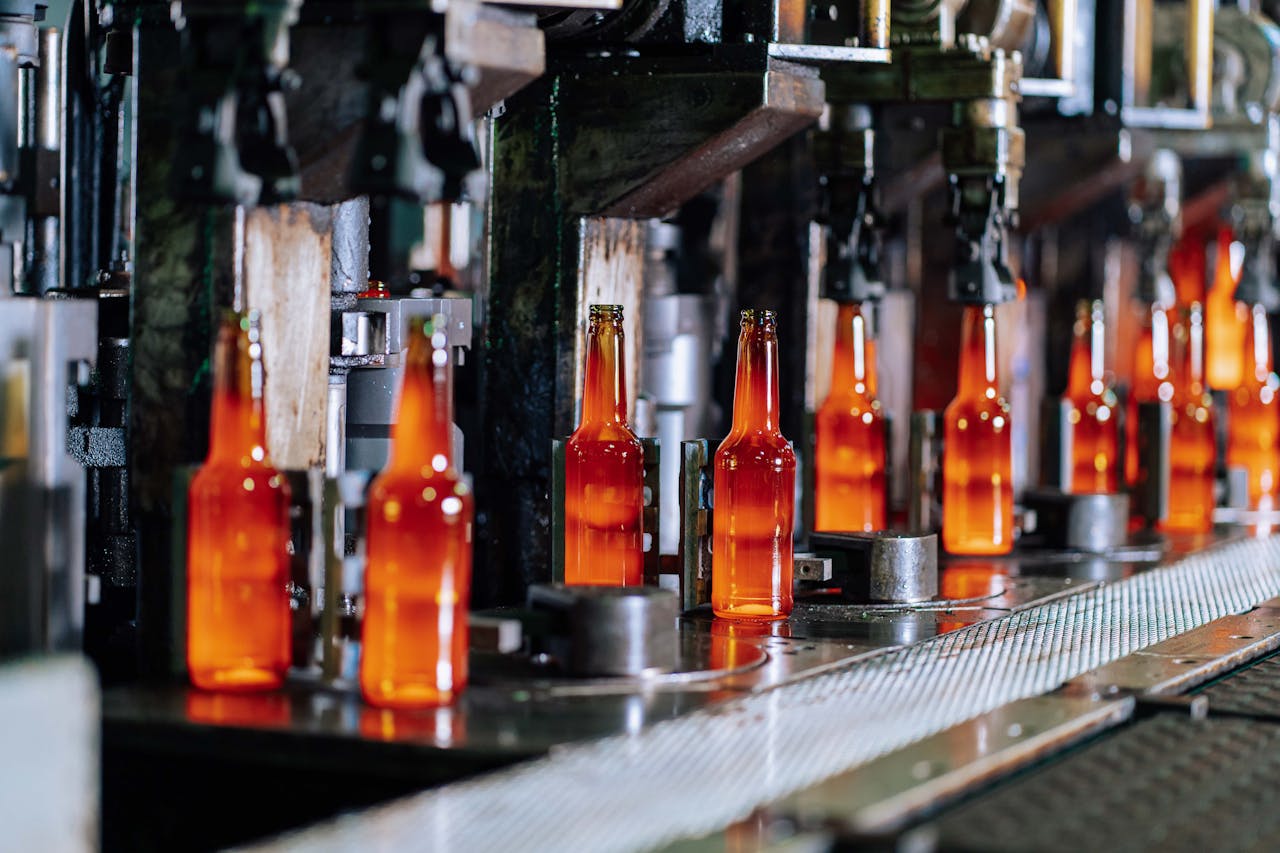
SR Paryavaran Engineers designs, builds, commissions and operates effluent treatment, water-recycling and Zero Liquid Discharge systems for dairy, beverage and food processing plants across India — cooperative and private dairy, multinational beverage bottlers, and food processors.
These effluents share three engineering problems — high and variable BOD/COD, fats-oils-and-grease (FOG) loading, and severe shock loads around clean-in-place (CIP) cycles — and each plant is designed against its own measured feed, not a standard template. SRPEPL manufactures the MBR, UF and RO membrane elements that the recycle stages run on, in-house at two Indian facilities.
The Challenge
Why food, beverage and dairy effluent is difficult to treat
Food, beverage and dairy effluent is biologically rich, hydraulically erratic, and chemically swung by CIP cycles — a combination that defeats plants designed for a steady industrial feed.
Sub-sector Breakdown
Dairy, beverage and food — where the problems diverge
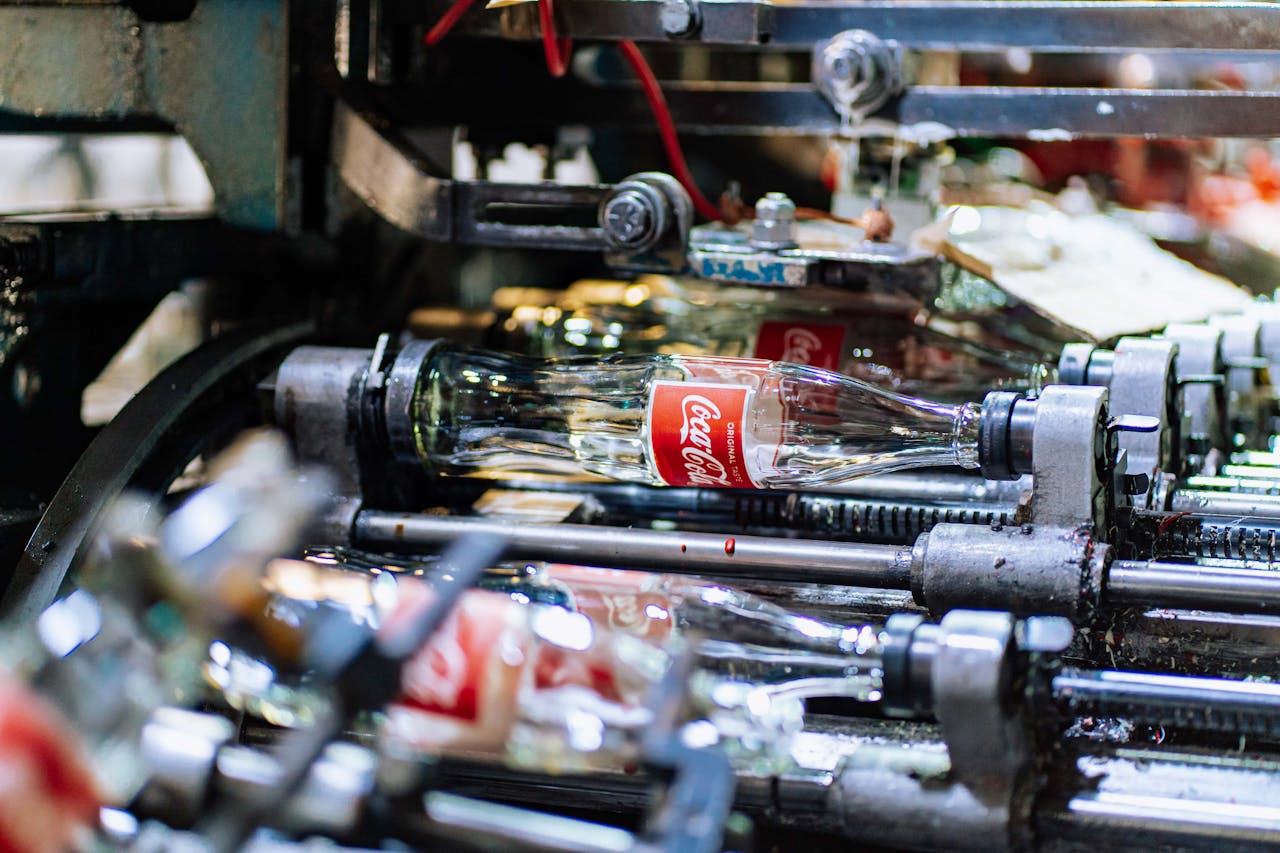
The three sub-sectors share the same upstream problems but diverge in the specifics. Understanding which sub-sector drives which treatment choice determines where the engineering effort goes.
Treatment Architecture
What treatment train does SRPEPL use for these effluents?
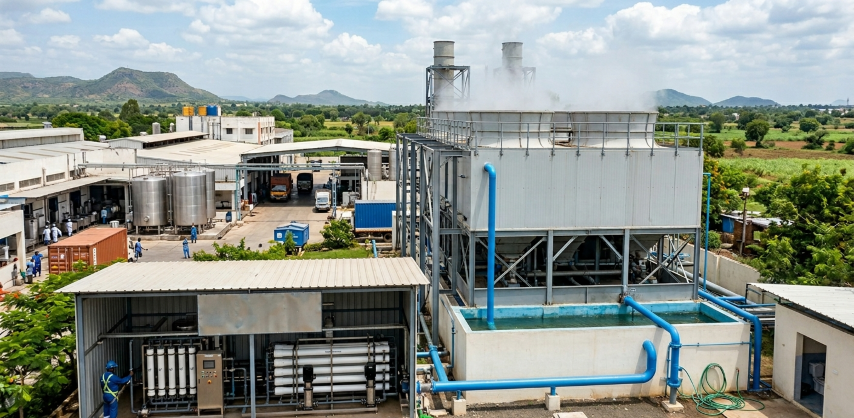
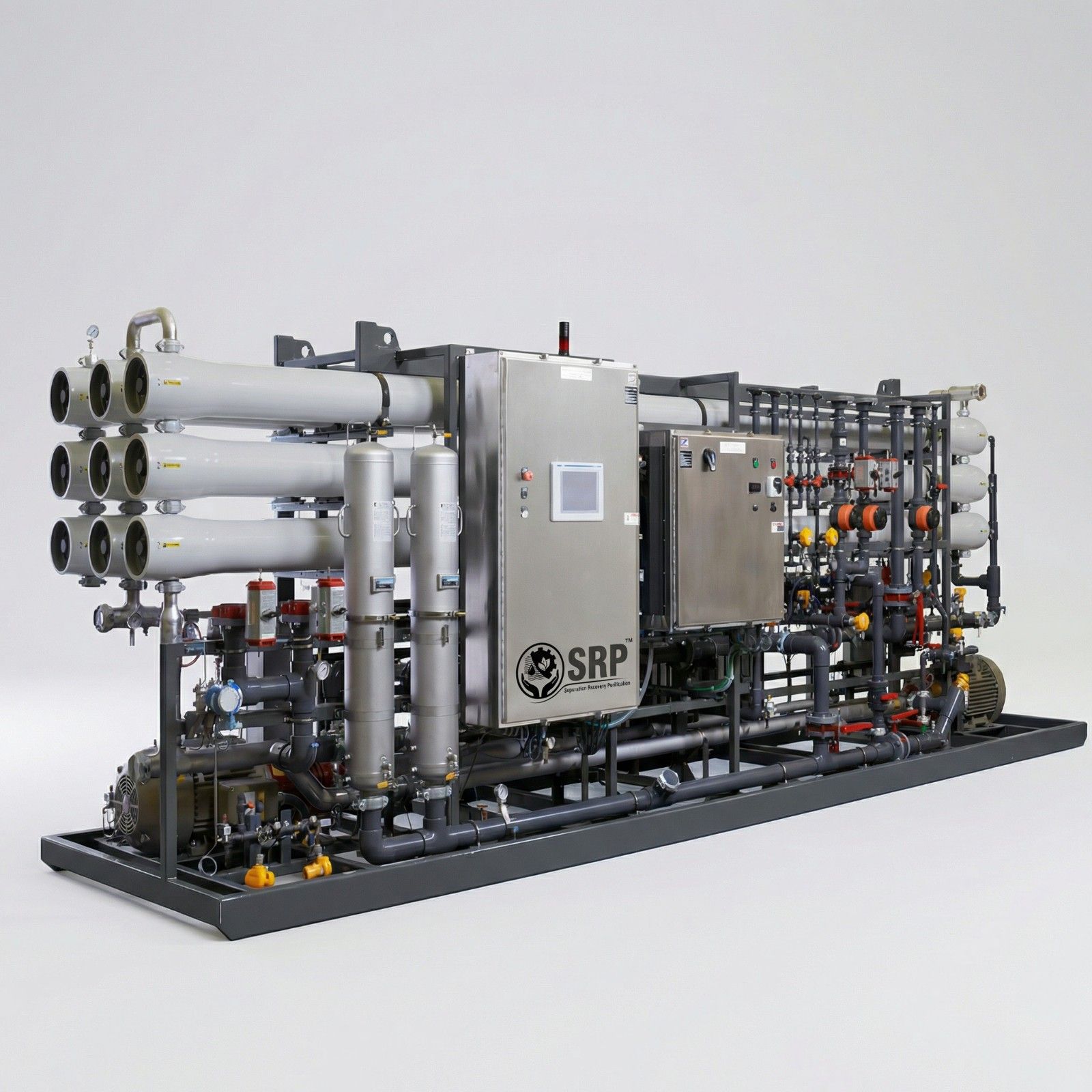
The standard SRPEPL train is oil-and-grease removal and equalisation, followed by biological treatment, then membrane polishing and recycle where water reuse or ZLD is the target. The biological stage is the heart of the design — sized for the shock-loaded peak, not the daily average.
Commercial Case
Where can treated water be reused inside a food plant?
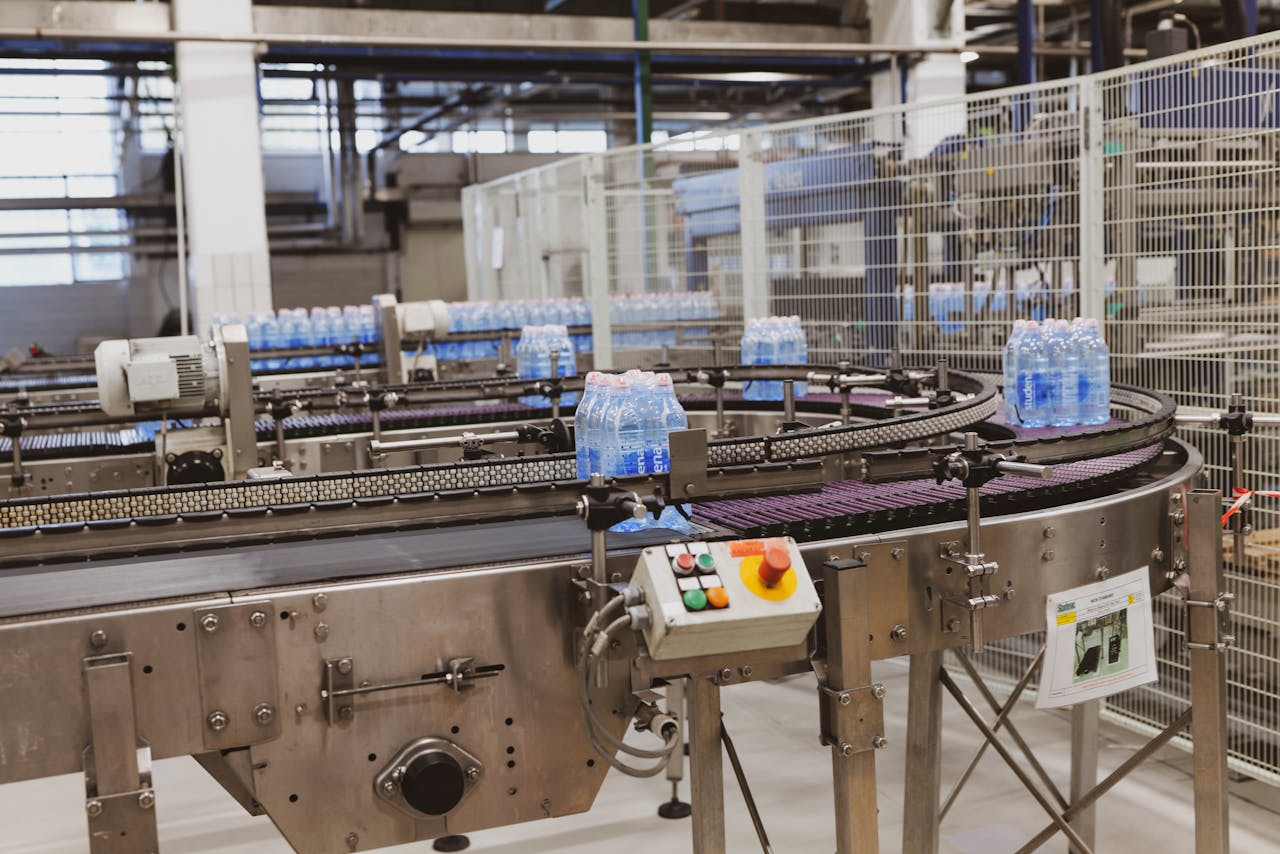
Treated and recycled water can be reused for cooling-tower makeup, boiler feed (after appropriate polishing), floor and crate washing, gardening and toilet flushing — non-contact and utility duties that cut fresh-water intake without touching product. For most plants the commercial case is the utility reuse: recovering 60–80% of treated effluent as cooling and boiler makeup materially reduces fresh-water draw and effluent volume simultaneously.
Regulatory Context
Which CPCB norms apply to food, beverage and dairy effluent?
Food, beverage and dairy plants discharge under CPCB's general and industry-specific effluent standards, enforced through state Pollution Control Board consents (HSPCB, PSPCB, GPCB and others). The binding parameters are typically BOD, COD, TSS, oil & grease, and pH, with limits varying by whether the plant discharges to surface water, on land for irrigation, or into a sewer.
Distilleries and some food-processing categories in water-stressed or no-discharge zones face ZLD or near-ZLD obligations under CPCB direction.
Client References
Food, beverage and dairy clients SRPEPL has worked with
SRPEPL has delivered effluent treatment and water systems for cooperative and private dairy, multinational beverage bottlers, and food processors across North and West India since 1990. Capacities, commissioning years and contract values are available against a qualified enquiry.
What SRPEPL Delivers
What SRPEPL delivers for a food, beverage or dairy plant
SRPEPL delivers turnkey EPC, design-build-operate (DBO), and long-term O&M for food, beverage and dairy water and wastewater systems. Because SRPEPL manufactures the membranes used in stages 2–4 and fabricates the pressure vessels and skids that house them, membrane specification, fabrication and plant operation sit with one engineering team.
Full scope
Frequently Asked Questions
Food, beverage and dairy wastewater — common questions
Dairy plant effluent is treated by first removing fats, oils and grease and equalising the CIP-driven shock load, then applying biological treatment (extended aeration, MBBR or MBR) sized for the peak rather than the average load, and finally UF + RO polishing where water reuse is required. High FOG, high BOD and pH swings from caustic/acid CIP cycles make upstream oil removal and equalisation the decisive design steps. SRPEPL designs each dairy ETP against its own measured feed.
Beverage and bottling effluent is shock-loaded because production batching, line washdowns and CIP cycles release concentrated organic slugs several times the average load over short periods. This is handled with adequately sized equalisation to buffer the slug and a biological stage designed for the peak load, so the plant holds compliance through wash cycles rather than only at steady state. SRPEPL has delivered ETPs for Coca-Cola, PepsiCo and other bottlers in North India.
Dairy and beverage effluent commonly runs BOD in the 1,000–4,000 mg/L range with COD higher still, while distillery spent wash is far higher and among the most concentrated industrial effluents. Actual values vary widely by product, process and CIP regime, so treatment is always designed against a measured effluent analysis rather than a generic figure.
Yes. Treated and recycled water is reused for cooling-tower makeup, boiler feed after polishing, floor and crate washing, gardening and flushing — non-contact utility duties that cut fresh-water intake. Product-contact reuse requires polishing to food-grade and IS 10500:2012 standards and is handled as a separate higher-specification stream. Utility reuse typically recovers a large share of treated effluent as cooling and boiler makeup.
Some do. Distilleries and certain food-processing categories in water-stressed or no-discharge zones face ZLD or near-ZLD obligations under CPCB direction, while most dairy and beverage plants discharge to standard CPCB limits or reuse internally without a full ZLD mandate. Whether ZLD applies depends on the plant's location, category and state PCB consent conditions, which SRPEPL fixes before sizing the train.
The binding parameters are typically BOD, COD, TSS, oil & grease and pH, governed by CPCB 2017 effluent norms and the relevant industry-specific standards, enforced through state PCB consents. Limits differ depending on whether the plant discharges to surface water, on land, or to a sewer. SRPEPL's designs are anchored to CPCB 2017 norms and, for reuse to potable-adjacent quality, IS 10500:2012.
Yes. SRPEPL manufactures flat-sheet MBR elements (AEROFLO MBR line), spiral-wound RO elements and ultrafiltration modules at two facilities in India, and fabricates the pressure vessels and skids that house them. For food, beverage and dairy recycle duty this means the MBR, UF and RO stages, the equipment around them, and the plant operation all sit with one engineering team.
Yes. SRPEPL has delivered water and effluent systems in the cooperative dairy sector, including work associated with the National Dairy Development Board (NDDB) and Banas Dairy, part of the Amul / GCMMF cooperative structure. Specific capacities, scope and commissioning details are available against a qualified enquiry.
Send us your effluent parameters
If you operate a dairy, beverage or food processing plant and have an effluent analysis and a discharge or reuse target, SRPEPL's engineering team will map a treatment train against your actual feed — for a new ETP, a water-recycling upgrade, or a ZLD obligation.
Related Solutions & Industries