



Industry Overview
One engineering team across the full steel-plant water problem
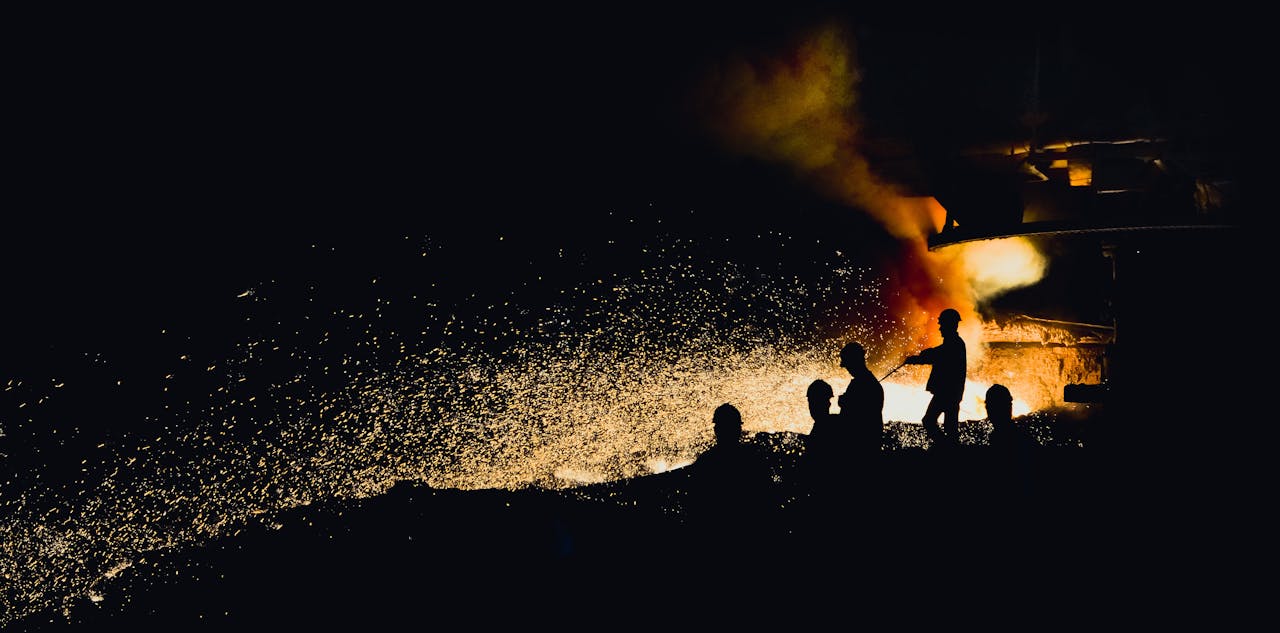
SR Paryavaran Engineers designs, builds and operates water and wastewater treatment systems for integrated steel plants, secondary steel producers, ferro-alloy units and other metallurgical works. We treat the streams that make steel-plant water hard to handle — coke oven and by-product effluent loaded with phenol, cyanide and ammonia; blast-furnace and basic-oxygen gas-cleaning blowdown high in suspended solids and zinc; hot- and cold-rolling-mill oily and emulsion wastewater; and pickling-line acidic effluent.
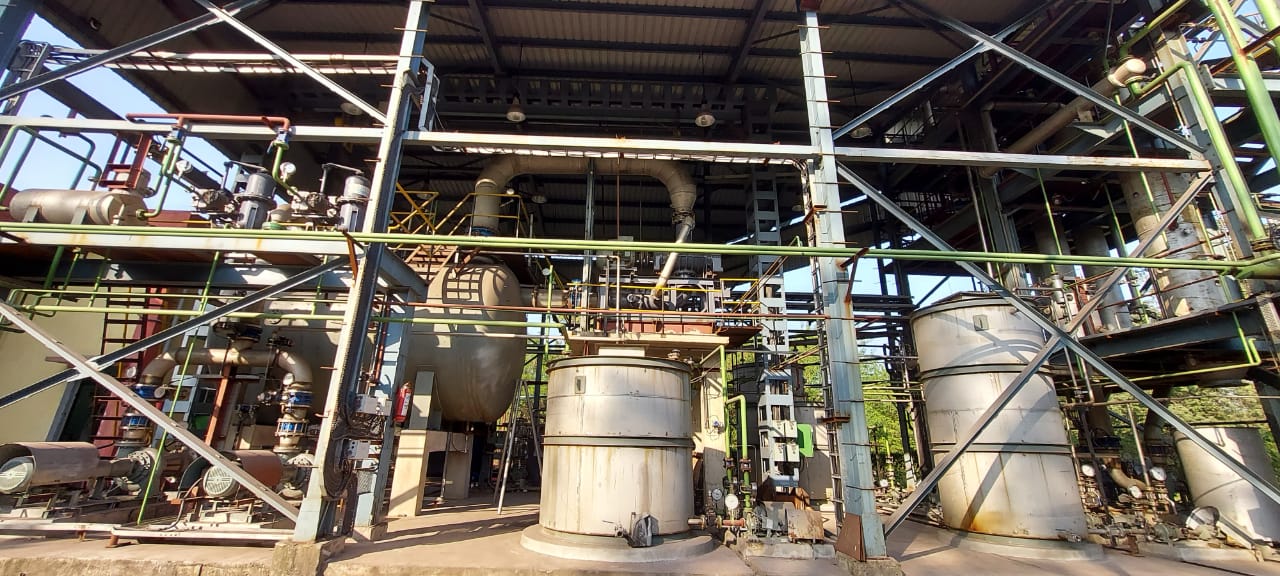
We close the loop with recycle and Zero Liquid Discharge (ZLD). Our anchor reference is the membrane-plus-evaporation ZLD system at SAIL's Bokaro Steel Plant — a ₹35.69 Cr EPC contract using a three-stage membrane train plus evaporation, which SRPEPL has operated under O&M for 5+ years of continuous operation.
The Problem
What water and wastewater problems do steel plants face?
An integrated steel plant generates several chemically distinct effluents — not one. Each stream needs a different treatment train. Compliance, water cost and specific-water-consumption norms increasingly push integrated plants toward maximum recycle and ZLD.
Stream-by-stream treatment reference
| Stream | Key contaminants | Typical treatment train |
|---|---|---|
| Coke oven / by-product effluent | Phenol, cyanide, ammonia, thiocyanate, high COD | Ammonia stripping → biological (nitri-denitri) → polishing → RO/ZLD |
| Gas-cleaning (GCP) blowdown | High TSS, zinc, lead, alkalinity, cyanide traces | Clari-flocculation → sludge dewatering → cooling → recycle |
| Hot & cold rolling-mill effluent | Oil & grease, mill scale, emulsified oil | Scale pit → oil skimming / DAF → ultrafiltration → recycle; spent emulsion to ZLD |
| Pickling line effluent | Free acid, dissolved iron, low pH | Neutralisation → acid regeneration → metals removal → ZLD |
| Continuous casting / direct cooling | Suspended solids, scale, oil | Scale pit → filtration → cooling tower → recycle |
| Sinter, refractory, utility blowdown | TDS, hardness, regen acids/alkalis | Equalisation → softening / RO → ZLD polishing |
ZLD Architecture
How does Zero Liquid Discharge work in an integrated steel plant?
Four streams → segregated pre-treatment → integrated ZLD
Anchor Reference
SAIL Bokaro Steel Plant — the executing ZLD reference
Solutions Map
What treatment solutions does SRPEPL deliver for steel plants?
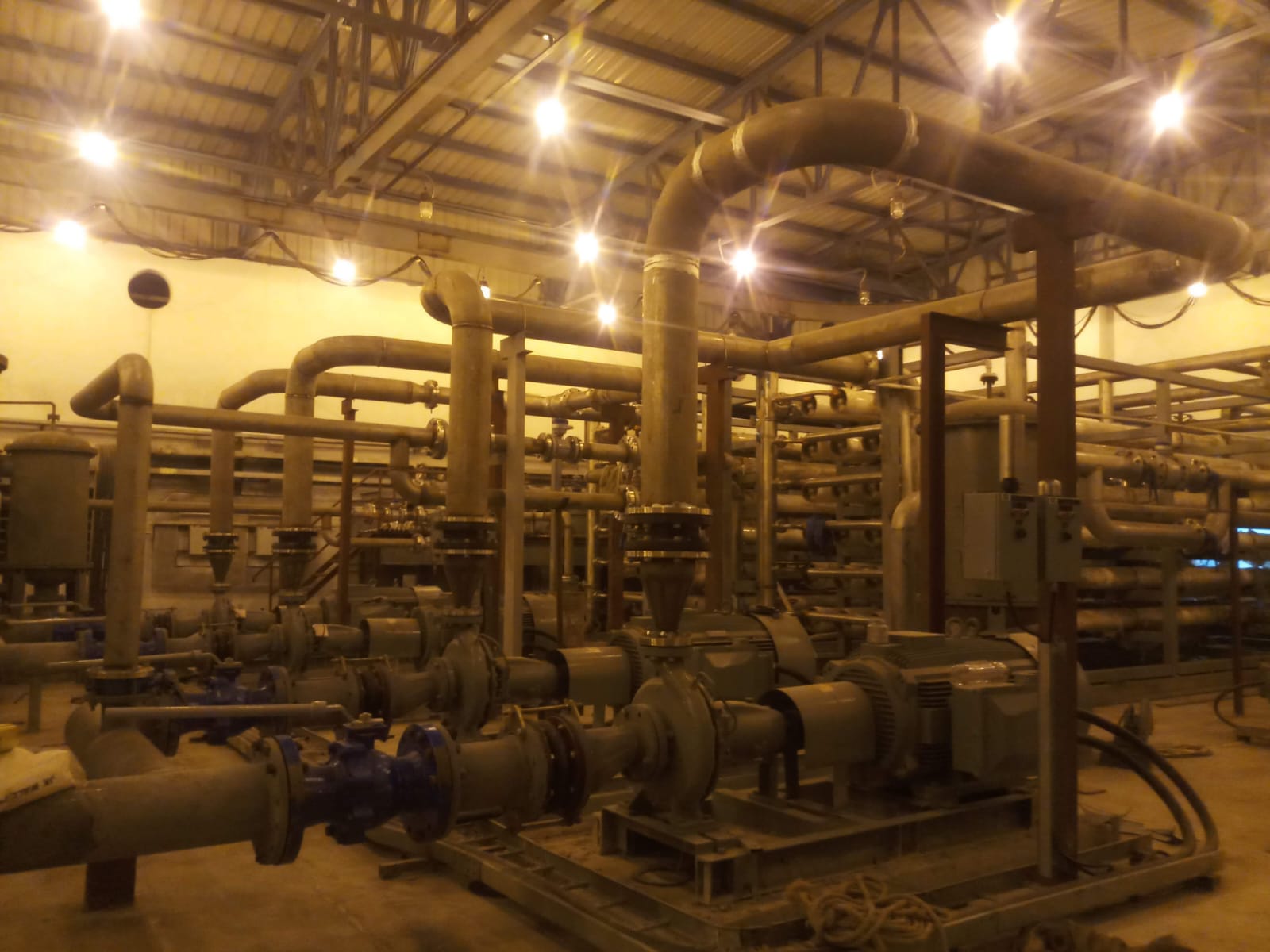
SRPEPL delivers the full water and wastewater scope a steel plant needs under one engineering team — from individual effluent treatment plants to integrated, plant-wide ZLD — backed by in-house membrane manufacturing and process-equipment fabrication.
| Solution | Steel-plant application | SRPEPL solution page |
|---|---|---|
| Effluent Treatment Plant (ETP) | Coke oven, GCP, mixed process effluent — stream-specific biological, physical and chemical treatment | ETP & CETP → |
| Tertiary Treatment & Recycle (TTP) | Plant-wide water recovery — UF + RO polishing to recycle-grade quality for cooling and process reuse | TTP → |
| Zero Liquid Discharge (ZLD) | Integrated plant-wide zero-discharge — segregated streams, membrane front-end, thermal evaporation | ZLD → |
| Ultrafiltration & RO | Rolling-mill recycle polishing, oily-water emulsion break, cooling tower blowdown recovery | WTP → |
| UHP Membrane Systems | High-TDS reject concentration beyond standard RO envelope — brine pre-concentration before MEE | ZLD → |
| Long-term O&M | Multi-year chemical and mechanical operation of process water and wastewater systems | O&M → |
Why SRPEPL
Why steel and metallurgy buyers choose SRPEPL
Regulatory Context
Compliance requirements for steel-plant water in India
Frequently Asked Questions
Steel & metallurgy water treatment — common questions
Coke oven and by-product effluent is biologically toxic — high in phenol, cyanide, ammoniacal nitrogen and thiocyanate. It is treated by ammonia stripping to remove free ammonia, followed by a biological stage (nitrification–denitrification) that degrades phenol and oxidises cyanide and thiocyanate, then polishing and, where water recovery is required, reverse osmosis feeding a ZLD train. SRPEPL designs this stream as a dedicated train, segregated from oily and acidic effluents.
Hot- and cold-rolling-mill wastewater carries mill scale (suspended iron), oil and emulsified oil. It is treated through scale pits for coarse solids, oil skimming or dissolved-air flotation for free oil, and ultrafiltration to break and remove emulsified oil before the water is recycled to the mill. Spent rolling emulsions, which are concentrated, are routed to the ZLD train rather than the recycle loop.
ZLD (Zero Liquid Discharge) recovers 90–95%+ of a steel plant's effluent as recycled water and concentrates the residual brine to solids, leaving no liquid discharge to the environment. It is not universally mandated for steel, but plants in water-stressed zones and those facing State Pollution Control Board discharge restrictions or high water cost increasingly adopt it. SRPEPL's SAIL Bokaro ZLD is a plant-scale reference.
Blast-furnace and basic-oxygen gas-cleaning blowdown is high in suspended solids, zinc and alkalinity. SRPEPL treats it by clari-flocculation to drop solids and metals, sludge dewatering, and cooling for recycle back to gas cleaning. Where dissolved zinc or lead must be reduced to discharge or recycle limits, a resin-based heavy-metal removal stage is added.
Yes. Pickling effluent (spent HCl or H₂SO₄ with dissolved iron and free acid) is neutralised, with acid regeneration applied where the volume and acid type make it viable, followed by metals removal and routing of the concentrated residual to ZLD. SRPEPL designs the pickling train segregated from biological and oily streams.
Yes. SRPEPL manufactures MBR, RO, UF and Ultra-High-Pressure (UHP) membrane elements in India through its SRP Membranes brand, and fabricates the pressure vessels, skids and high-pressure piping that house them. UHP elements handle the high-TDS reject and brine-concentration duty in steel-plant ZLD where standard RO cannot economically recover water. The company has commissioned 150,000+ membrane elements, including refinery replacement orders.
SRPEPL's anchor steel-sector reference is the Zero Liquid Discharge system at SAIL's Bokaro Steel Plant in Jharkhand — a ₹35.69 Cr EPC contract using a three-stage membrane train plus evaporation (UF + RO + MVR → MEE → ATFD), which SRPEPL has operated under O&M for 5+ years of continuous operation.
Yes. SRPEPL provides multi-year chemical and mechanical O&M and Design-Build-Operate (DBO) contracts, remaining accountable for plant performance through the Defect Liability Period and beyond — the SAIL Bokaro ZLD has been under continuous SRPEPL operation for 5+ years. O&M is supported by five regional after-sales offices across India.
Yes. SRPEPL designs recycle and ZLD as retrofits into operating steel plants by surveying the existing stream inventory and flow split, adding stream-specific pre-treatment where segregation is incomplete, and integrating a tertiary RO/UF recycle block and evaporation stage without halting production. The train is sized against the plant's measured effluent, not a standard template.
Talk to our team about your steel-plant water system
Share your plant's stream inventory — coke oven, gas-cleaning, rolling-mill, pickling and utility flows — and our engineers will map a treatment and ZLD train against your actual effluent. For integrated and secondary steel plants across India and export markets.
Related Solutions & Industries